Look, I'll be completely honest with you: the idea of monitoring messages from another cell phone is incredibly controversial. But before you cancel me, let me explain…

This type of technology exists, it's on the market, and many people use it — parents worried about their children, companies monitoring corporate devices, or even that complicated relationship situation that nobody likes to admit but everyone knows someone who has been through. The truth is, whether we like it or not, monitoring apps are a reality in 2024, and pretending they don't exist won't make the issue disappear. So let's talk about this responsibly? 🤔
Why on earth would anyone want to monitor another cell phone?
Before getting into the technical details, I need to make this important point. There are legitimate and completely legal reasons to use this type of tool. And no, I'm not just talking about toxic relationships (although that happens too, right?).
Parents concerned about their children's digital safety are probably the largest audience for this type of app. Let's face it: the internet can be a dangerous place for kids. Cyberbullying, online predators, inappropriate content… there's a lot to worry about. A monitoring app can be the difference between preventing a serious problem and discovering it too late.
Companies use them too — and look, it's super cool when done correctly. If the company provides the cell phone to the employee and makes it clear that it will monitor corporate use, there's nothing illegal about it. It's about protecting company data, people. Trade secrets exist.
Now, if you're thinking about spying on your crush, ex, or anyone without their consent… stop right there! That's not just unethical, it's a crime. Invasion of privacy is serious business; it can lead to lawsuits, jail time, and serious damage to your reputation. So take a deep breath and think twice before doing something stupid. 🚨
What do these apps actually do?
Let's get down to business. Modern monitoring apps are virtually invisible and incredibly comprehensive. We're talking about cutting-edge technology that would make James Bond envious.
Most people can access it:
- Messages from WhatsApp, Telegram, Instagram, Facebook Messenger, and virtually any messaging app.
- Complete call log (who called, when, duration)
- Traditional SMS and MMS (yes, there are still people who use those)
- Real-time location via GPS
- Photos and videos stored on the device
- Internet browsing history
- Calendar and reminders
- Emails sent and received
Some go even further and can record calls, remotely activate the microphone, or even take screenshots without the person noticing. It's like those spy movies, but in the palm of your hand. Scary? A little. Efficient? Extremely.
How does the installation work? Is it complicated?
Here's an inconvenient truth: in most cases, you'll need physical access to the target phone. No, there's no magic way to remotely monitor without touching the device—at least not for ordinary people like you and me.
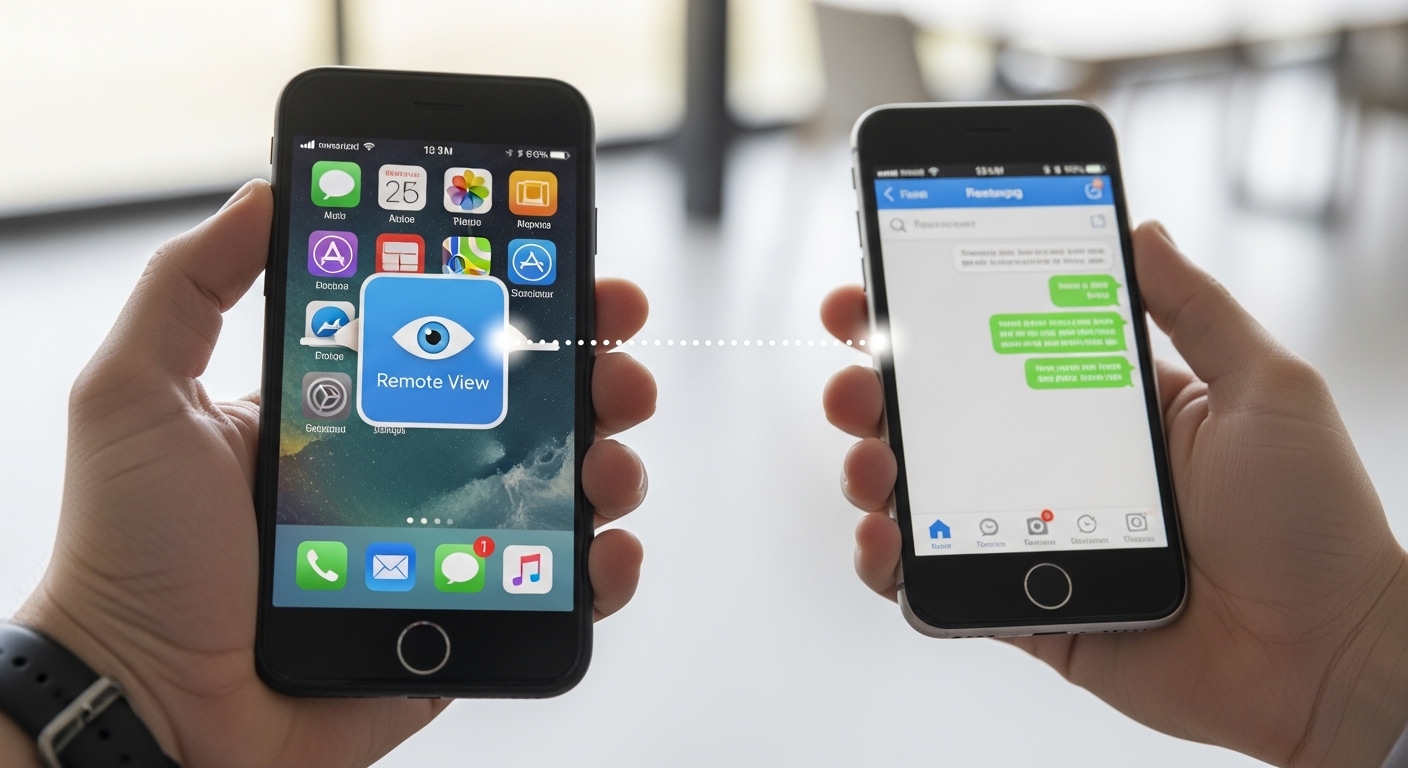
The process generally works like this: you download the app, install it on the phone you want to monitor, complete the initial setup (which takes about 5-10 minutes), and that's it. After that, everything is accessed remotely through an online dashboard in your browser or on another phone.
The best apps on the market can run in stealth mode, meaning they remain completely hidden. No icons on the home screen or telltale notifications. The phone owner has no idea they're being monitored. It's virtually impossible to detect without advanced technical knowledge.
For iPhones, the situation is a little different. Due to Apple's restrictions, some apps can monitor via iCloud backup without even needing to physically install anything. You only need the person's Apple ID credentials. However, this option has its limitations compared to the Android version.
What is the best app on the market today?
I tested several (yes, I did my homework), and I'll be blunt: mSpy is at the top of the food chain of monitoring apps. This isn't advertising, it's a fact. 📱
This app has been on the market for over a decade and has millions of users worldwide. The interface is clean, intuitive, and works beautifully. Furthermore, it has support in Portuguese, which is already a big plus for those who don't know much English.
mSpy offers three different plans. The basic plan is sufficient for those who only want the essentials: messages, calls, location. The intermediate and premium plans unlock more advanced features such as a keylogger (which records everything that is typed), blocking of specific apps and websites, and personalized alerts.
One thing that impressed me was the quality of customer support. I tested it at crazy hours and there was always someone to answer my questions. And believe me, I asked some pretty tricky questions! 😅
Are there any valid alternatives?
Of course there are. The market doesn't run on just one app, right? I'll give you more options:
FlexiSPY: This one here is the most powerful of them all. It has features that are on par with professional private investigators. It can intercept live calls, record ambient noise, everything. But it's incredibly expensive and somewhat complex for the average user.
Eyezy: Newer to the market, but it has quickly improved in quality. Modern interface, competitive price, and some unique features like AI-based behavior analysis. Very interesting.
Cocospy: A good intermediate option. It doesn't have all the bells and whistles of the top-tier teams, but it does the basics well and is more affordable. Great value for money.
Hoverwatch: This one has a different approach, more focused on capturing screenshots and logging activities. Less invasive than the others, depending on your point of view.
How much does it cost to join?
Let's talk about money, because nothing in life is free — especially cutting-edge technology.
Prices vary considerably depending on the app and plan chosen. mSpy, for example, starts at around R$ 150-200 per month on the basic plan. Sounds expensive? Maybe. But think about the peace of mind it can provide or the problems it can prevent.
More comprehensive plans can easily reach R$ 400-500 per month. That's not a small amount, I agree. But most offer significant discounts if you sign up for a quarterly or annual subscription. Some even offer R$40-50% discount on annual plans.
Here's a golden tip: be wary of free monitoring apps. Seriously. Either it's a complete scam, or they're selling your data behind the scenes. In this market, cheap can be very expensive—it can compromise your privacy and even install malware in the process. 💸
And what about the legal aspects? Could I get into trouble?
This is where things get really serious. Let me be crystal clear: monitoring someone's cell phone without their consent IS A CRIME in Brazil and in most countries. Period.
The Carolina Dieckmann Law (12.737/2012) makes it very clear: invading someone else's electronic device can result in 3 months to 1 year of detention, plus a fine. If you use the information obtained for blackmail, extortion, or any other kind of mischief, then the situation is much more serious.
The legal exceptions are specific:
- Parents monitoring minor children (you are the legal guardian, you have this right)
- Companies can monitor corporate devices, provided they clearly inform employees.
- Monitoring the device itself (obvious, but just in case...)
In relationships, even if you're married or dating, you DO NOT have the legal right to monitor the other person's cell phone without their consent. "Oh, but we share everything"... it doesn't matter. Privacy is a constitutional right, my dear. If you don't trust them, end it. Seriously, it's healthier.
Is it possible to tell if I'm being monitored?
That's a golden question, isn't it? The short answer: it's difficult, but not impossible.
Signs that may indicate a monitoring app is running:
- Battery draining much faster than normal.
- Cell phone overheating for no apparent reason.
- Mobile data usage is too high.
- Slow phone, freezing more than usual.
- Strange noises during calls
- Screen light turning on by itself.
But be aware: these symptoms can also indicate other problems. An outdated app can slow down your phone, an old battery drains quickly... don't go accusing anyone without being sure.
If you want to be absolutely sure, there are anti-spyware apps that scan your system. Some are quite efficient at detecting monitoring software. Restoring your phone to factory settings also solves the problem, but then you'll lose everything that isn't backed up.
Is it really worth using this type of technology? 🤔
Look, I'll be honest with you in this final stretch: it depends a lot on the context and your motivation.
If you're a parent genuinely concerned about your child's digital safety, I understand. The internet is a dangerous place for children and teenagers. But even so, think about it: to what extent does monitoring help with digital education, and where does the invasion of privacy that can break trust begin? Wouldn't open dialogue be more effective?
Business owners worried about information leaks? That makes sense, but be transparent. Make it clear in company policies that corporate devices are monitored. Mutual trust matters.
Now, if you're thinking about using it to spy on your partner because you suspect infidelity… dude, stop. Seriously. If it's gotten to that point, the relationship is already over. Monitoring won't save anything, it will only make things worse and put you in a position of illegality. Frank conversation or breakup: those are the adult options.
The dark side of surveillance technology
I can't end this discussion without addressing the elephant in the room: this type of technology can be used for a lot of bad things.
Domestic violence, stalking, abusive control… monitoring apps have already been used as weapons in documented real-life cases. Abusers use them to control victims, to know where they are, who they talk to, what they do. It's terrifying.
That's why I insist so much on the ethical and legal issue. Technology is neutral, but how we use it isn't. This type of tool demands enormous responsibility from those who use it. Such power in the wrong hands quickly becomes an instrument of oppression.
If you know someone who you suspect is being abusively monitored, the advice is to seek professional help — a psychologist, lawyer, or even the police, depending on the severity. There are organizations specializing in digital violence that can help.
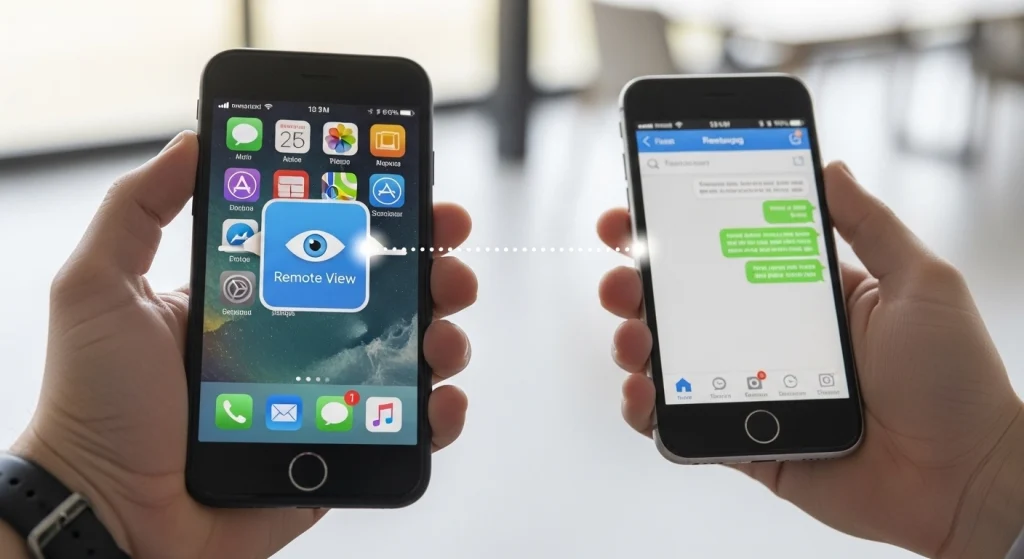
My final word on all of this.
Monitoring messages from another cell phone is technically easy — the apps are out there, they work well, and they're accessible. The real challenge lies in the moral of the story.
Surveillance technology isn't inherently good or bad. It's a tool, and like any tool, its use depends on who's using it and what it's for. A hammer can build a house or break a window, you know?
If you've gotten this far seriously considering using one of these apps, my advice is: take a deep breath, think about the consequences, consult a lawyer if necessary, and above all, question your real motivations. Sometimes the answer we're looking for in cell phone monitoring is actually in an honest conversation.
And always remember: privacy is a fundamental right. Respect it in others if you want it respected in you. The digital world is already invasive enough without us making things worse, right?
Now, if after all this you still decide to go ahead, at least you'll be doing it consciously, legally, and responsibly. And choose a decent app like the ones I mentioned—at least that guarantees the technology works properly and your data won't end up on some dubious server in Russia. 😅
Something to think about. Use technology wisely, always within the law, and never forget that on the other side of that screen is a human being with the right to privacy. Agreed?

Alfredo Gonzales is a digital writer and technology enthusiast, specializing in transforming everyday experiences with online apps and tools into light and inspiring stories. With a background in Communication and a passion for learning new things, he writes about the digital world in a practical and accessible way, always seeking to bring technology closer to people.